World War Sandbox Hosting & Sharing Worlds
Invite friends, spectate living wars, share custom maps, and keep multiplayer sessions fun within 12-player servers.
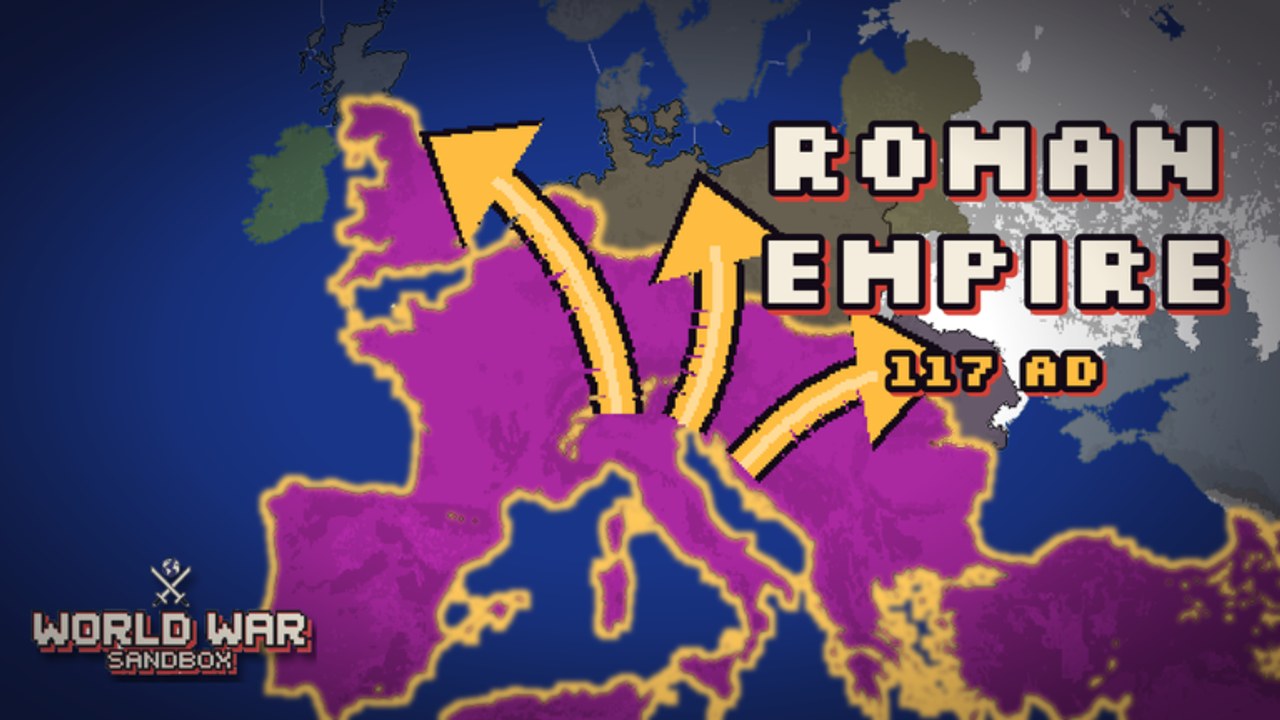
Hosting turns World War Sandbox from a solo god sim into a shared spectator sport. Friends can join your world, watch 200+ nations collide, argue about who should nuke whom, and admire (or ruin) the custom map you painted. This guide covers how to host thoughtfully, share with the community, manage god-power chaos, and run themed nights — including WW2-flavored sandbox sessions. Pair it with Map Editor for creation and God Powers for intervention etiquette.
Why host instead of only playing public?
Public servers are fine for quick visits. Hosted worlds shine when you want:
- A private audience for a custom map.
- Voice-chat storytelling while the AI runs.
- House rules (no early nukes, revolts-only first hour, era authenticity).
- Cleaner sessions inside the 12-player server cap.
- A stage for community shares that outlive a single random lobby.
The official pitch from Nwtaken X Gamboss highlights hosting for friends and sharing worlds with the community — treat that as a core feature, not a side menu.
Pre-host checklist
Before you hit invite:
- Finish Getting Started basics so you can explain the loop in one minute.
- Be comfortable with camera and selection (Controls).
- Decide map: official era vs. custom editor layout.
- Write three house rules in chat before powers fly.
- Agree whether guests are spectators, co-gods, or mixed roles.
If you skip house rules, the first free ability from the Abilities Update will end your carefully balanced Cold War in twelve seconds. That can be comedy — just make it intentional.
Suggested house rules
Steal and adapt these:
- Warm-up rule: No world-ending powers for the first stretch; only revolts and minor disasters.
- Callout rule: Say the target nation out loud before casting.
- Veto rule: Host can undo-style veto a cast that breaks the night’s theme (social veto, not a literal rewind).
- Focus rule: Only two people aim powers at once; others spectate and narrate.
- Era rule: Keep tools roughly on-theme for Roman vs. industrial vs. Cold War vibes.
Post rules in chat and pin them mentally. New joiners arrive mid-war; repeat the rules once.
Spectating well
Not everyone needs to click. Great sessions often have:
- One director managing camera and explaining fronts.
- One or two interveners with limited power budgets.
- Everyone else as color commentators watching alliances flip.
Spectators should still learn selection so they can point at nations accurately. Encourage zoom-outs during diplomacy beats and zoom-ins during flag-troop pushes.
Themed night ideas
WW2 sandbox night — Load a suitable era or custom map, limit early nukes, and let industrial fronts breathe. The embedded video on this page shows WW2 energy inside World War Sandbox; use it as inspiration for pacing, not as a script you must copy.
1v1 country duel — Symmetric custom map, two human-favored powers, spectators bet on outcomes with voice-chat pride only.
Disaster Olympics — Timed rounds where each player may cast one power; score by storytelling, not raw carnage.
Revolt only — No meteors or nukes; topple empires from inside. Excellent training for subtle players.
Editor premiere — Debut a fresh Map Editor layout and forbid edits mid-session so geography stays fair.
Sharing with the community
When a world or map feels special:
- Capture screenshots of turning points (pre-nuke borders vs. aftermath).
- Note which rules made the session better.
- Share through the game’s community sharing paths and creator-group channels when appropriate.
- Keep expectations realistic: the experience is still growing after the 2026-10-26 release, with satisfaction and population fluctuating like any new Roblox sandbox.
Community shares work best when others can reproduce the fun — include era, rules, and whether free abilities were allowed.
Multiplayer pitfalls
- Too many gods, not enough sim. If everyone casts every ten seconds, nobody sees AI diplomacy.
- No director. Camera chaos means guests miss the front that matters.
- Unclear ownership. Decide who hosts, who paints, and who has final say on vetoes.
- Invite before playtest. Custom maps need a solo scrub first.
- Ignoring progression context. Guests without unlocks may have fewer toys; explain free abilities and optional Battlepass without pressuring purchases.
Server size 12 keeps things human. You do not need a full lobby; four engaged friends often beat twelve quiet ones.
Hosting flow (step by step)
- Choose era or load your custom map.
- Start the host world and confirm it runs stably solo for a minute.
- Paste house rules in chat.
- Invite friends; assign director / intervener roles.
- Let AI run while you narrate major powers.
- Open a limited powers window; observe fallout.
- Escalate only when the story needs a climax.
- End while people still laugh — leave appetite for a rematch.
- Optionally share highlights and iterate the map.
Progression and rewards during hosted play
Hosting is content, but progression still ticks: levels, coins, maps, powers, Battlepass. Do not pause the party for menu grinding. Claim Codes before the session if rewards are time-sensitive, and skim Updates so you are not surprised by new free powers mid-night.
Where to go next
- Refine aim and UI via Controls.
- Expand your toy box with God Powers.
- Build a better stage in the Map Editor.
- Refresh onboarding links from Getting Started for newcomers.
- Browse the full Guides Hub when you need the index.
Hosted World War Sandbox nights succeed when the simulation remains the star and players are the editors of history — not when everyone races to glass the planet first. Set rules, share the camera, and let nations earn their tragic endings.
Frequently Asked Questions
Quick answers about powers, hosting, codes, and progression.
How many players can join a World War Sandbox server?
Server size is 12. You do not need a full lobby — smaller friend groups often produce better narration and fairer power use.
Can friends only watch, or can they use powers too?
Both. Decide roles up front: pure spectators, limited co-gods, or open chaos. House rules prevent free abilities from ending the session instantly.
Should I host official eras or custom maps?
Official eras are great for quick nights. Custom Map Editor layouts are best when you want a unique stage or fair 1v1 geography. Playtest customs solo first.
What house rules help most?
Warm-up without world-ending powers, call out targets before casting, limit how many people intervene at once, and keep tools roughly on-theme for the era.
How do I share a great world with the community?
Capture turning-point screenshots, note era and rules, and use the game’s sharing features plus creator-group channels. Include whether free god powers were allowed so others can reproduce the fun.